The plum tree at number 14 ripens three weeks before the one at number 30, and neither of them cares how much jam you have already made. Meanwhile, someone two streets away is buying apples in a supermarket while their neighbour's windfalls rot under the hedge. A fruit swap is the simplest fix going: one afternoon, one table, and an honest label on everything. You do not need a committee, a licence or a marquee. You need a date, a bit of shelter, and a way of telling people what is in the box.
Choose a format that fits your street
A one-off table swap is the easiest place to start. Pick a Saturday, put a pasting table under a porch or in an open garage, and invite people to bring a box and take a box. Two hours is long enough for people to turn up and short enough that nobody is standing around wondering whether they should go home.
Other formats work just as well, depending on how your street behaves:
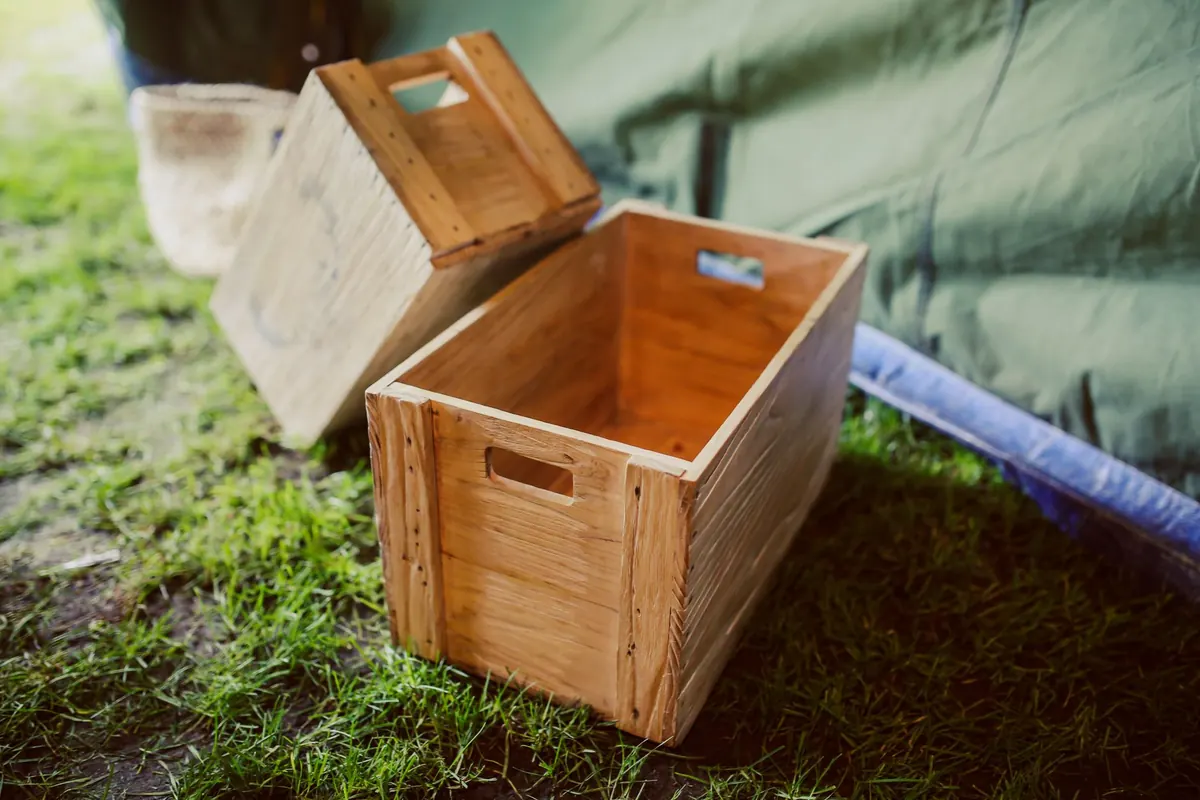
- Drop-and-collect crate. One crate at the end of a drive with a sign reading "Help yourself, leave what you can". Good where people work different hours and never quite overlap.
- Honesty shelf. A permanent shelf or cool box by a gate, restocked as things ripen. Low effort, but somebody needs to check it every couple of days and clear anything past its best.
- Paired swaps. Match the household with four apple trees to the neighbour who genuinely enjoys making chutney. No event, no table, no tidying up afterwards.
Whichever you choose, keep it free. Once money changes hands you are selling food rather than swapping it, and the expectations around hygiene, labelling and liability change with it.
Set the date around the fruit, not the calendar
Gluts arrive in a rough order. Rhubarb and gooseberries come first, then cherries and early soft fruit, then plums, greengages and the first apples, then pears, maincrop apples and quince well into autumn. Watch the trees on your street for a week or two and hold the swap when the first real surplus appears, not when it is convenient six weeks later.
A Saturday morning, roughly ten until twelve, suits most people. Choose somewhere with shade if the forecast is warm: fruit left in direct sun for two hours goes soft and unappetising, and soft fruit goes outright sad. A garage with the door up, a church porch, a school gate area or a stretch of pavement under a big tree all work. Keep it on level ground so crates do not tip.
The invitation does most of the work
People will not come if they are unsure what to bring or what happens when they get there. A short notice covering the essentials is enough. Include:
- The date, start and finish time, and the exact spot, with a landmark rather than a house number if you would rather not broadcast your address.
- What to bring: fruit, obviously, but also bags, boxes or a tub to carry things home in.
- What not to bring: mouldy fruit, unidentified jars, anything you would not eat yourself.
- Whether it is a stay-and-chat event or a drop-and-go crate.
- A contact name and number, and one line saying that everything is free.
Fruit swap, Saturday 14 September, 10am–12pm, outside the garage at the end of Orchard Row. Bring your spare apples, pears and plums — washed, labelled and in a box if you can. Take home whatever you fancy. Bags provided, everything free, all welcome. Ring Mira on the number in the group chat if you cannot make the morning and want to drop things off earlier.
Post it in the street WhatsApp group, the local Facebook group, on the library and corner-shop noticeboards, and through the doors of the six nearest houses. Ask two people to forward it on. Word of mouth does the rest.
Labels, sorting and the table itself
What goes on a label
Labelling is the difference between a table people trust and a table of anonymous produce. Masking tape and a marker are perfectly adequate. Write:
- Fruit and variety if you know it — "Discovery apples", "Victoria plums", "unknown green pear".
- Date picked.
- Ripeness — "eat today", "ripe in three or four days", "hard, for storing".
- Where it came from — your garden, an allotment, a friend's tree.
- Anything relevant — sprayed or unsprayed, windfall, bruised on one side.
Windfall fruit deserves its own tray. It is often perfectly good for cooking but not for keeping, and saying so on the label lets people decide for themselves.
Sort by ripeness, not by variety
Three trays is plenty: eat now, ripe in a few days, and cook now. The cook-now tray takes the bruised and the overripe, and it is usually the busiest part of the table, so put a few recipe cards next to it — apple sauce, plum crumble, chutney, a plain fruit compote for the freezer. Have a bin for cores and bad fruit, a roll of paper towels, and a jug of water so people can rinse things before they leave.
Sharing safely: the short version
Common sense covers most of it. Wash your hands, wipe the table down, use clean crates and boxes rather than anything that has held pet food or garden chemicals, and keep fruit off the ground. Do not put out anything mouldy, fermented, or that you cannot identify. When in doubt, compost it.
Home-made preserves need a bit more thought. If you are swapping jam, chutney or bottled fruit, label the jar with the ingredients, the date it was made, and how it was stored. Mention nuts, seeds, spices and alcohol, and note if it was made in a kitchen that handles nuts or gluten. Jams and chutneys are usually straightforward, but bottling low-acid fruit and vegetables at home carries real risks if the method is wrong — if you are not confident in your process, give away fresh fruit or a bag of frozen purée instead. Anyone who is pregnant or managing a health condition should follow their own medical advice about what they accept from an informal swap.
One more thing: if you are cooking for a crowd, ask about allergies in advance, and keep ingredients lists visible. It costs nothing and saves awkwardness.
Leftovers and keeping it going
Do not force surplus on people at the end. Whatever is left can go to a community compost scheme, a garden compost heap, or the wildlife corner of somebody's plot. Bruised fruit can be cooked down and frozen in tubs, dried in a low oven, or juiced.
Before everyone disperses, agree the next date. Late-season apples usually follow plums within a few weeks, and a second swap is far easier than a first. Someone could also start a rough fruit map of the street — who has what, and roughly when it ripens — so next year you are not guessing. If you include a fruit map, ask people's permission before sharing their address more widely.
Your first swap, in eight steps
- Walk the street and note what is ripening over the next fortnight.
- Pick a format: table, drop-and-collect crate, honesty shelf or paired swap.
- Choose a shaded, level spot and a two-hour window.
- Write a short notice with date, time, place and what to bring.
- Post it in the group chat, on two noticeboards, and through six doors.
- Set out trays, labels, tape, a marker, bags, water and a bin.
- Sort into eat-now, ripe-soon and cook-now, and label everything.
- Tidy up, send a thank-you message, and fix the next date before the apples finish.
Keep it small, keep it free, and keep it honest about what is in the box. That is the whole method — and it usually ends with more fruit than you started with, plus a few neighbours you now actually know.
Photo: Nennieinszweidrei / Pixabay