There is a moment in the life of every fruit bowl when the strawberries go dark at the edges, the bananas wear their first freckles and the pears give in to a thumbprint. Ripe is good. Over-ripe is better than you think. Soft fruit is sweeter, juicier and far more useful in the kitchen than firm fruit, because heat, sugar and a blender all work in your favour. The trick is knowing what to rescue, what to bin, and what to do in the ten minutes before it all goes too far.
First, Work Out What You Are Actually Holding
Over-ripe is not the same as spoiled, and the difference matters. A soft, fragrant, slightly leaking strawberry is perfect for cooking. A furred, slimy or fizzy one is not.
- Fine to use: soft flesh, deep colour, strong sweet smell, darkened banana skins with creamy flesh inside, pears that dent under gentle pressure.
- Bin it: any visible mould, a sour or alcoholic smell, slimy texture, cloudy weeping liquid, or a faint fizz on the tongue. With berries especially, mould spreads through soft fruit invisibly — throw out the mouldy ones and any that were touching them.
- Cutting away mould does not work on soft fruit, the way it can on hard cheese or a firm carrot. Soft fruit has too much water and too little structure.
Once you have sorted the fruit, you have two choices: use it now, or freeze it within the hour.
Soft Berries: Rescue Them Before They Collapse
Raspberries, strawberries, blackberries and blueberries all behave the same way: they hold their shape until they don't, and then they turn to liquid in a day. Wash them only when you are about to use them — water speeds up the decline — and pick out the damaged ones first.
Freeze them flat
Spread dry berries on a tray lined with baking paper, freeze for two hours, then tip into a bag. They stay separate, so you can shake out a handful for a smoothie without thawing the whole lot.
Make a quick coulis
Put 300g of berries in a pan with two tablespoons of sugar and a squeeze of lemon. Simmer for five minutes, crushing with a spoon, then push through a sieve if you want it smooth. It keeps for a week in the fridge and three months in the freezer, and it turns plain yoghurt, porridge or vanilla ice cream into something worth sitting down for.
Cook them into a compote
Skip the sieving and you have compote: berries, a little sugar, a splash of water, cooked gently until jammy. Add a strip of orange peel or a few basil leaves while it simmers if you want it to taste less like a Tuesday.
Two more uses worth knowing. Muddle a spoonful of soft raspberries with olive oil, red wine vinegar and a pinch of salt for a sharp dressing that works on leafy salads and roasted vegetables. And if you have a glut, a berry shrub — fruit, sugar and vinegar left to steep for a few days — gives you a cordial that keeps for months.
Mushy Bananas: Peel First, Then Freeze
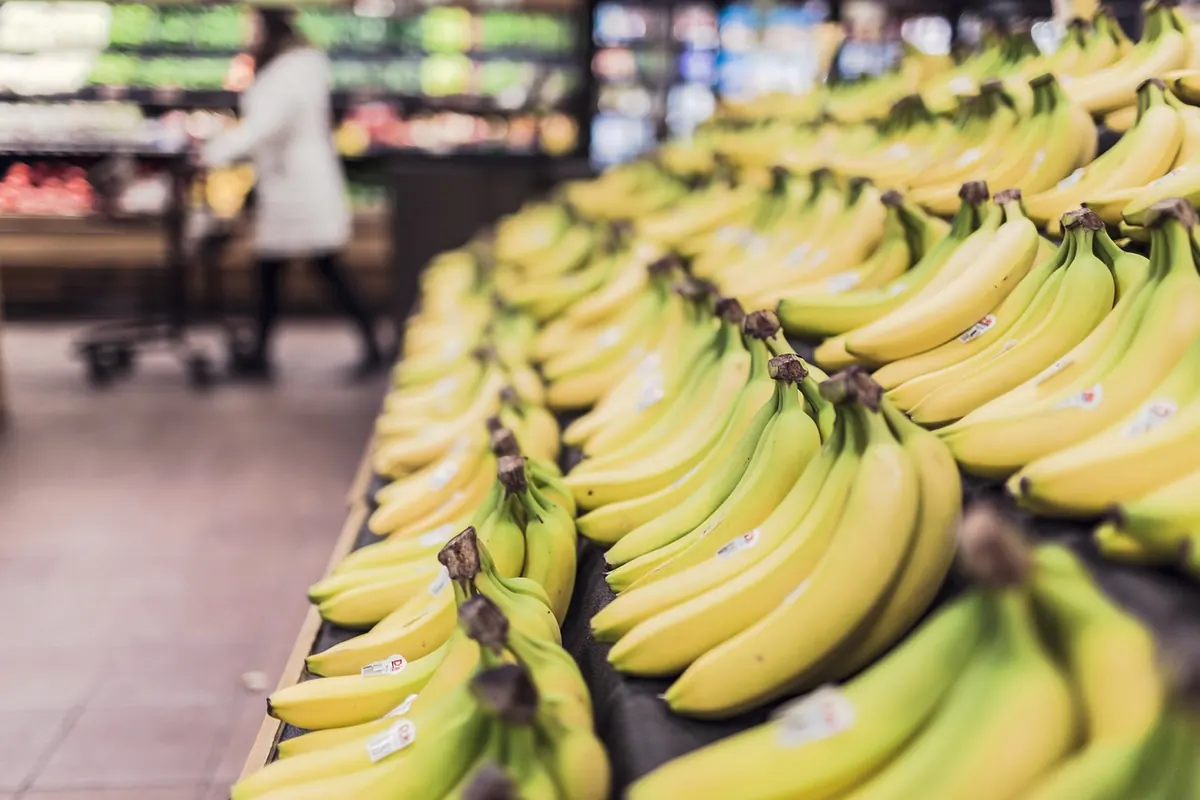
Black-skinned bananas are sweeter than yellow ones, because the starch has converted to sugar. That makes them ideal for anything where you want flavour rather than structure. Peel them before freezing — a frozen banana skin welds itself to the flesh and is miserable to remove later. Chop into chunks, freeze in a bag, and you have the base of half the recipes below.
- Instant ice cream: blitz frozen chunks with a splash of milk and a spoon of peanut butter until smooth. Eat immediately.
- Pancakes: mash one banana with two eggs and a spoonful of flour, then fry in small rounds. No sugar needed.
- Banana butter: cook mashed bananas with a little sugar, lemon juice and cinnamon until thick and glossy. Spread it on toast.
- On the barbecue or grill: halve lengthways, grill cut-side down for three minutes, serve with yoghurt and toasted nuts.
- In baking: banana bread is the obvious answer, but muffins, loaf cakes and flapjacks all take a mashed banana happily. Reduce the liquid slightly, since banana adds moisture.
Squishy Pears: Heat Brings Them Back
A pear that has gone soft but still smells clean will fall apart if you try to eat it raw — and that is exactly what makes it good cooked. Poach halved pears in a syrup of water, sugar, a cinnamon stick and a strip of lemon peel for fifteen to twenty minutes. Serve warm with cream, or cold with breakfast.
Beyond poaching, soft pears are excellent in:
- Chutney: diced pear with onion, vinegar, brown sugar, ginger and a pinch of chilli. Simmer until thick, then jar it for cheese and cold meats.
- Pear and almond cake: lay slices on top of the batter rather than folding them in, so they sink in neat rows.
- Crumble: chunks of pear, a handful of blackberries if you have them, and a plain flour-butter-sugar topping.
- Purée: cook with a splash of water, blend, and stir into yoghurt or porridge. Freeze in ice cube trays for single portions.
Freeze Now, Decide Later
A full freezer is the cheapest insurance against waste. A few habits make it work properly:
- Freeze in the portion size you will actually use — a small bag for a smoothie, a tray of cubes for a sauce.
- Freeze soft purées and coulis in ice cube trays, then move the cubes to a bag once solid.
- Press the air out of bags and freeze them flat, so they stack like files.
- Label with the fruit and the date. Frozen food stays safe indefinitely, but flavour and texture are best within about three months.
- Thaw in the fridge overnight rather than on the counter, and use thawed fruit in cooking or blending — it will be too soft to eat raw.
A Rescue Routine That Takes Two Minutes
Check the fruit bowl every morning and move anything past its best into a small tub in the freezer — a rescue tub. When it is full, make something: a batch of compote, a tray of muffins, a jar of chutney. Keep the fruit you plan to eat today at the front, and store berries in the fridge unwashed, in a container lined with kitchen paper.
If there is any doubt about mould or a fermented smell, throw it out without guilt. No recipe is worth an upset stomach, and if you are cooking for anyone pregnant, elderly or with a weakened immune system, be stricter still. A little planning turns a bowl of soft fruit into tomorrow's breakfast rather than today's bin liner.
Photo: StockSnap / Pixabay