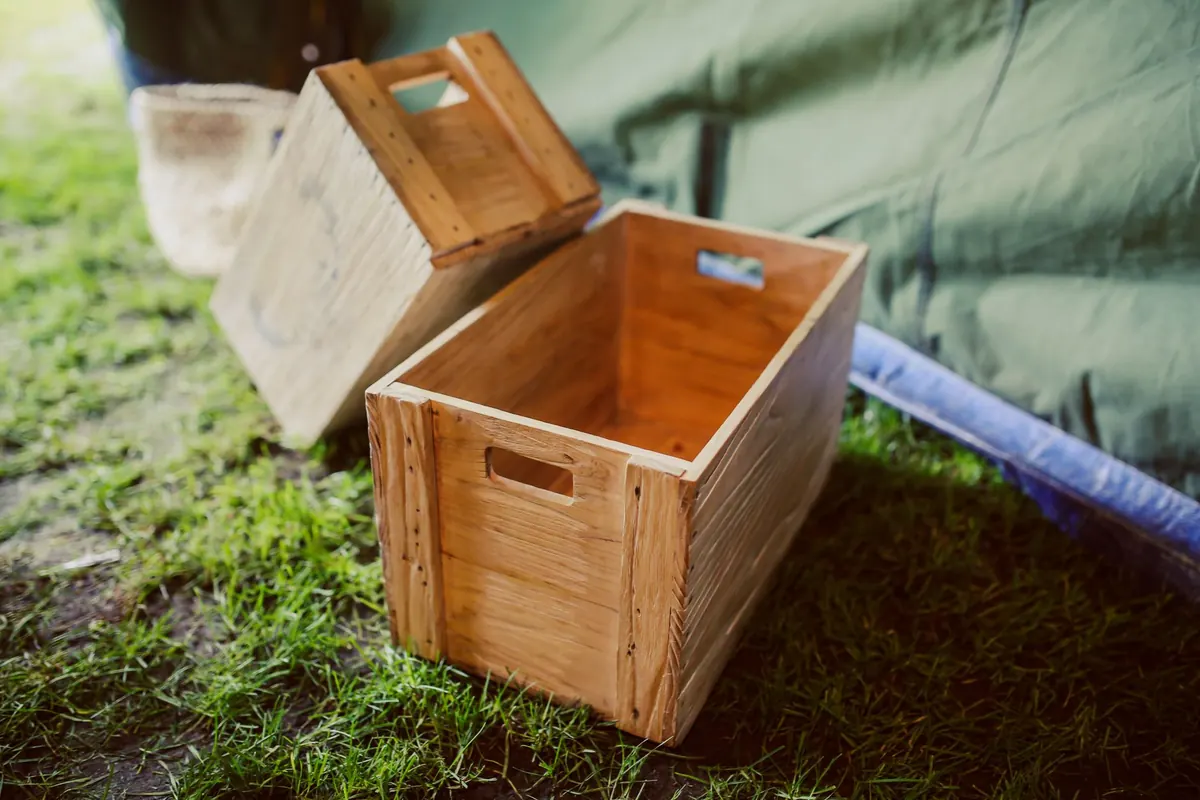
Somewhere between the campsite shop and the third night under canvas, fruit goes wrong. Peaches turn to mush in the sun, bananas go black in a hot car boot, and the avocados you packed on Friday are either rock-hard or collapsing by Sunday. The problem is rarely the fruit. It is the microclimate you have given it. A cool box, used thoughtfully, is one of the best tools you own for managing that microclimate, provided you understand what it can and cannot do.
What a Cool Box Can and Cannot Do
A cool box is an insulated box. That is the whole trick. It does not create cold, it slows the movement of heat, and it holds whatever conditions you set up inside it. That makes it useful in two directions at once. On a hot afternoon, it shields fruit from the worst of the sun and keeps it a few degrees below air temperature. Overnight, with the lid closed and no ice inside, it can hold a slightly warmer, more humid pocket of air than the outside, which is exactly what a ripening pear or tomato wants.
What it cannot do is ripen anything properly at fridge temperatures. Most tropical and stone fruit stops ripening below roughly ten degrees, and bananas below about thirteen degrees suffer chilling damage that shows up later as grey flesh and blackened skins. So if you are trying to bring on an underripe avocado, do not park it against a frozen block. Ripening wants gentle warmth, around fifteen to twenty degrees, and a cool box with no ice is often the easiest way to find that on a campsite.
Know Which Fruit Will Actually Improve
Before you build anything, sort your fruit into two groups. Some fruit continues to ripen after picking. Some does not, and no amount of careful packing will change that.
- Ripens after picking: bananas, avocados, pears, peaches, nectarines, plums, apricots, mangoes, kiwi, tomatoes, and most melons.
- Does not ripen further: strawberries, raspberries, blueberries, blackberries, grapes, cherries, citrus, and pineapple.
The second group only declines. Your job there is damage limitation: keep them cool, keep them dry, and eat them first. The first group is where the cool box earns its place, because you can actively steer it.
Building a Ripening Chamber Inside the Box
The mistake most people make is treating the box as one space. Treat it as three, stacked like a loose lasagne.
Top layer: the ripening shelf
This is where your hard fruit sits. Bananas, avocados, pears, stone fruit. Keep them in a paper bag or loosely rolled in a tea towel, not sealed in plastic. The bag traps a little ethylene, the natural gas fruit gives off as it ripens, which speeds the process along, while the paper lets excess moisture escape.
Middle layer: the buffer
A folded tea towel or a spare jumper. This separates ripening fruit from anything cold below and stops bruising when the box gets moved. It also soaks up condensation, which is the real enemy here.
Bottom layer: the cold store
Ice packs, and next to them the fruit you want to slow down: berries, grapes, anything already ripe and destined for today. Wrap ice packs in a cloth. Direct contact freezes the fruit touching them and leaves brown patches that taste flat.
If you have one ripe banana and nothing else producing ethylene, drop it in with the hard fruit and it will pull everything along faster. If everything is already ripe, keep the banana out entirely. Ripe fruit accelerates ripe fruit, and that is how you end up with a box of brown mush on day two.
Shade and Airflow Matter More Than Ice
Where you put the box decides half the outcome. Direct sun on a closed lid turns it into an oven, no matter what is inside. Aim for the deepest shade you have: under the caravan, beneath the awning with a towel draped over the top, or on the north side of the tent where the sun never lands. In a car, the footwell behind the front seat stays cooler than the boot.
Airflow is the other half. Fruit respires, and in a sealed box that respiration builds heat and moisture. Open the lid for a minute or two each morning and evening to swap the air. Do it in the shade, not in the sun. If the day is genuinely hot, leave the lid very slightly ajar with a cloth over the gap to keep flies out.
A few more habits that pay off:
- Never wash fruit before storing it. Damp skins grow mould.
- Check for bruises each morning and remove damaged fruit immediately. One split peach contaminates the box.
- Keep the box out of the sun even when empty, so the insulation is not fighting a preheated shell.
- On cool nights, leave the box outside the tent in a sheltered spot. The night air does the work for you.
The Daily Two-Minute Routine
Morning: open the lid, feel the fruit, take out anything soft enough to eat and move it to the cold layer or straight to breakfast. Evening: same again, plus a quick wipe of any condensation inside the walls. Squeeze the avocados at the stem end rather than the middle, which bruises less. Rotate the fruit so the same side is not always against the box wall.
If you are away for a week or more, buy slightly underripe and let the box do the work. Buying ripe fruit and hoping it holds is a losing game in a heatwave.
When Things Go Wrong
Mould appears as a fuzzy patch, usually on berries or a bruised stone fruit, and spreads by spores. Remove the affected fruit and anything touching it, then wipe the box out with a damp cloth and let it dry fully in the shade before closing it again. A faintly alcoholic smell means fermentation has started somewhere; find the culprit and clear it out. Fruit flies follow, so keep lids closed between checks.
Chilling damage is harder to spot. Bananas that have been too cold look fine until you peel them. If you are unsure, eat the questionable fruit cooked rather than raw: stewed plums, grilled peaches and baked bananas forgive a great deal.
The Short Version
Use the cool box as a controlled space, not a cold one. Ripening fruit on top in paper, cold fruit on the bottom next to wrapped ice packs, a cloth buffer between them. Keep the whole thing in deep shade, open it twice a day, and deal with damage the moment you see it. Do that and you will eat far better on the last morning of a trip than you did on the first.