A full fruit bowl looks like abundance, but it is really a race against time. Every peach, banana and avocado in there is still breathing, still changing, still releasing the gas that nudges its neighbours along towards softness. Get the storage right and you buy yourself days. Get it wrong and you are binning a punnet of raspberries by Wednesday. None of it is complicated — it just needs a handful of rules applied consistently.
Why fruit keeps ripening after you buy it
Some fruit is still living when it reaches your kitchen. Bananas, avocados, pears, apples, mangoes, peaches, plums, tomatoes and melons all continue to ripen after picking. They release ethylene, a natural plant gas, which speeds up ripening in the fruit that produces it and in anything sitting nearby.
Other fruit has finished its ripening before it ever reaches the shop. Strawberries, raspberries, blueberries, grapes, citrus, cherries and pineapple do not improve at home. They only decline, which means your job is purely to slow that decline down. Two different jobs, two different strategies — and mixing them in one bowl is where most fruit goes wrong. Warmth accelerates ripening, cold slows it, and ethylene drives it. Those three facts underpin everything below.
Separate the ripeners from the sensitive
Before anything else, stop treating your fruit bowl as a single unit. The high-ethylene producers will shorten the life of everything around them.
- Strong ethylene producers: apples, bananas, ripe pears, avocados, stone fruit, ripe melons, tomatoes
- Sensitive to ethylene: berries, grapes, citrus, cucumbers, salad leaves, broccoli, green beans
- Best kept well away from the rest: apples and bananas, simply because they release so much of it
A ripe banana next to a bag of spinach will yellow the leaves in a day. The same banana next to a hard avocado is genuinely useful — more on that shortly. Position matters more than any gadget you can buy.
Use the cold to press pause, but only at the right moment
The fridge does not ripen fruit. It stalls it. Put a rock-hard pear straight into the cold and it may never soften properly — it can go mealy or leathery instead. So the sequence for anything that ripens is always the same: ripen at room temperature, then chill to hold it there.
Once ripe, most fruit lasts noticeably longer in the fridge. A ripe avocado, a fragrant melon, a soft peach and a speckled banana all benefit from being moved somewhere cold the moment they hit their peak. The exception is tomatoes, where the trade-off is flavour and texture — more on that below.
A few fridge basics make a difference too. Keep the crisper drawer no more than two-thirds full so air can move, use the humidity setting for vegetables rather than fruit where you can, and never stack soft fruit under heavier items.
What actually works, fruit by fruit
Bananas
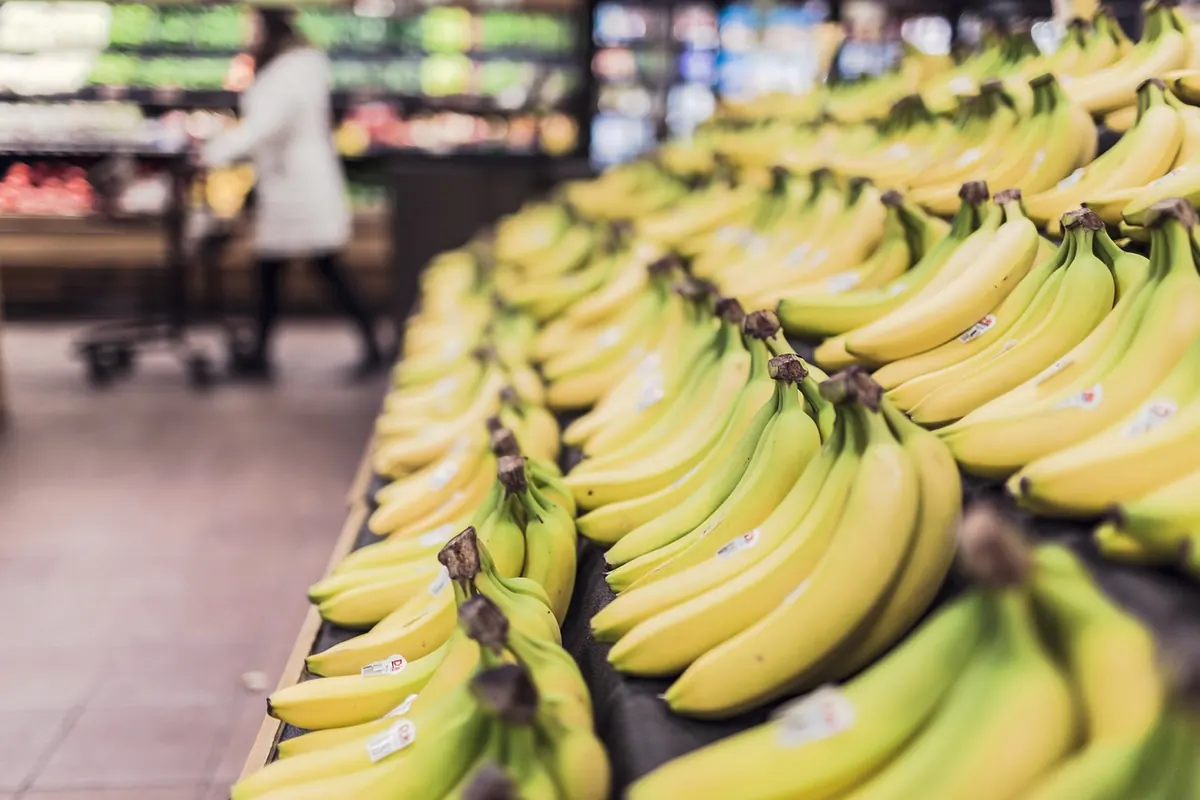
Room temperature, out of the bowl, and away from other fruit. Wrapping the crown — the joined stem end — in a little cling film or a beeswax wrap slows the gas escaping from the main release point. Once the skin is speckled, either eat it, bake with it, or peel and freeze the flesh in chunks. A blackened skin in the fridge is fine; the flesh inside stays good for days.
Berries
Do not wash them until the moment you eat them. Moisture is what turns a punnet into mush. Tip them out, discard anything squashed or furry, then store in a single layer on kitchen paper in a lidded container with the lid slightly ajar. If you have room, a shallow tray lined with paper works better than a deep tub.
Apples and pears
Apples go in the fridge, ideally in a drawer away from everything else. Pears arrive hard and need a few days on the counter; test ripeness by pressing gently near the stem with your thumb, then chill. A pear that yields at the neck is ready.
Stone fruit
Peaches, nectarines, plums and apricots ripen beautifully at room temperature, shoulder-side down so they do not bruise. Once they smell sweet and give slightly, into the fridge. Bring them out half an hour before eating for the best flavour.
Tomatoes
Room temperature, stem side down, out of direct sun. Cold dulls their flavour and turns the texture mealy, so only refrigerate them if the alternative is losing them entirely — and let them come back to room temperature before serving.
Avocados and melons
Firm avocados sit on the counter; ripe ones go in the fridge, where they hold for several more days. For a cut avocado, press cling film directly onto the flesh with a squeeze of lemon or lime. Whole melons stay out until they smell sweet at the base, then chill. Once cut, melon must be refrigerated and eaten within a couple of days.
The paper bag trick, and when to skip it
A paper bag traps ethylene around the fruit, which speeds ripening. Drop in a ripe banana or apple and a hard avocado, pear or peach will soften faster. Just never use plastic — it seals in moisture as well as gas, and mould follows quickly.
Skip the bag entirely for berries, grapes, citrus and cherries. Trapping gas around fruit that cannot ripen further achieves nothing except condensation. The moment something is ripe, take it out of the bag and into the fridge.
Stop mould before it takes the whole punnet
Mould spreads by contact and by spores, so one soft berry can ruin the lot overnight. A quick daily look is the cheapest storage tool you own: remove anything bruised, leaking or furry, and move ripe fruit to the cold. Wipe out the crisper drawer weekly — a stray squashy grape hides there for weeks. If soft fruit has visible mould, throw it away rather than cutting the bad part off; in soft produce the mould threads run further than the eye can see.
A five-minute routine that keeps fruit at its best
Once a day, sort the bowl. Anything ripe goes in the fridge. Anything past its best gets a plan: a tray in the freezer for smoothies, a batch of banana bread, a quick compote with a squeeze of lemon. Freeze soft fruit in a single layer first, then bag it once firm so it does not clump.
Ripen on the counter, hold in the fridge, keep the producers apart, and stay dry. Do those four things and you will throw away far less fruit — and eat far more of it at its peak.
Photo: akirEVarga / Pixabay