You get home with rock-hard avocados, a punnet of strawberries and bananas that are still green at the tips. The instinct is to put everything in the fridge. That works for some fruit, but it can stall others completely. Ripening is a series of natural changes, and temperature is one of the dials you can turn. The fridge, the fruit bowl and the paper bag each turn that dial in a different direction. Choose well and you get fruit at its peak; choose badly and you get mealy peaches or avocados that never soften.
The short answer: bag to ripen, bowl to hold, fridge to stop
If you remember one rule, make it this: a paper bag speeds ripening, a fruit bowl lets it continue at room temperature, and the fridge slows it down. The right choice depends on two things: the fruit and how ripe it already is. A hard pear needs warmth and trapped ethylene. A ripe pear needs cold. A strawberry needs cold from the moment you get it home. Treating them all the same is why fruit goes from underripe to overripe without ever hitting the sweet spot.
How each option actually works
Fridge
Cold temperatures slow the enzymes that soften fruit and turn starch into sugar. They also reduce the amount of ethylene gas the fruit produces. Ethylene is the natural ripening hormone that many fruits release, and it affects neighbouring produce too. The fridge is therefore a pause button, not a ripening chamber. Use it for fruit that is already ripe or for fruit that will not improve after harvest, such as berries, cherries, grapes and citrus. Some fruits react badly to cold: bananas develop black skins, tomatoes lose flavour, and stone fruit can turn mealy if chilled while still hard.
Fruit bowl
A fruit bowl is the middle ground. At room temperature, ripening continues at a steady pace, faster than in the fridge but slower than in a bag. It suits fruit you plan to eat within a day or two, and it keeps produce visible so you actually use it. Keep the bowl loosely filled rather than piled high. Air needs to move around the fruit, and a tight pile traps moisture, which encourages mould. Also separate heavy ethylene producers such as bananas and apples from ethylene-sensitive fruits if you want the sensitive ones to last. A bowl in a cool, dark spot works better than one on a sunbaked windowsill, where heat can push fruit past ripe before you notice.
Paper bag
A paper bag is the accelerator. It traps the ethylene gas the fruit releases, so the fruit ripens in its own atmosphere. Paper also breathes, which allows some moisture to escape and reduces the risk of mould compared with a sealed plastic bag. For stubborn fruit, add a ripe banana or apple to the bag; both release plenty of ethylene and can cut ripening time noticeably. Check the bag once a day. As soon as the fruit gives slightly when pressed, move it to the fridge or eat it. If you leave it too long, the same trapped ethylene that helped will quickly turn the fruit to mush.
Which fruits belong where
- Avocados: hard ones in a paper bag, ideally with a banana. Once they yield to gentle pressure, refrigerate and use within a few days.
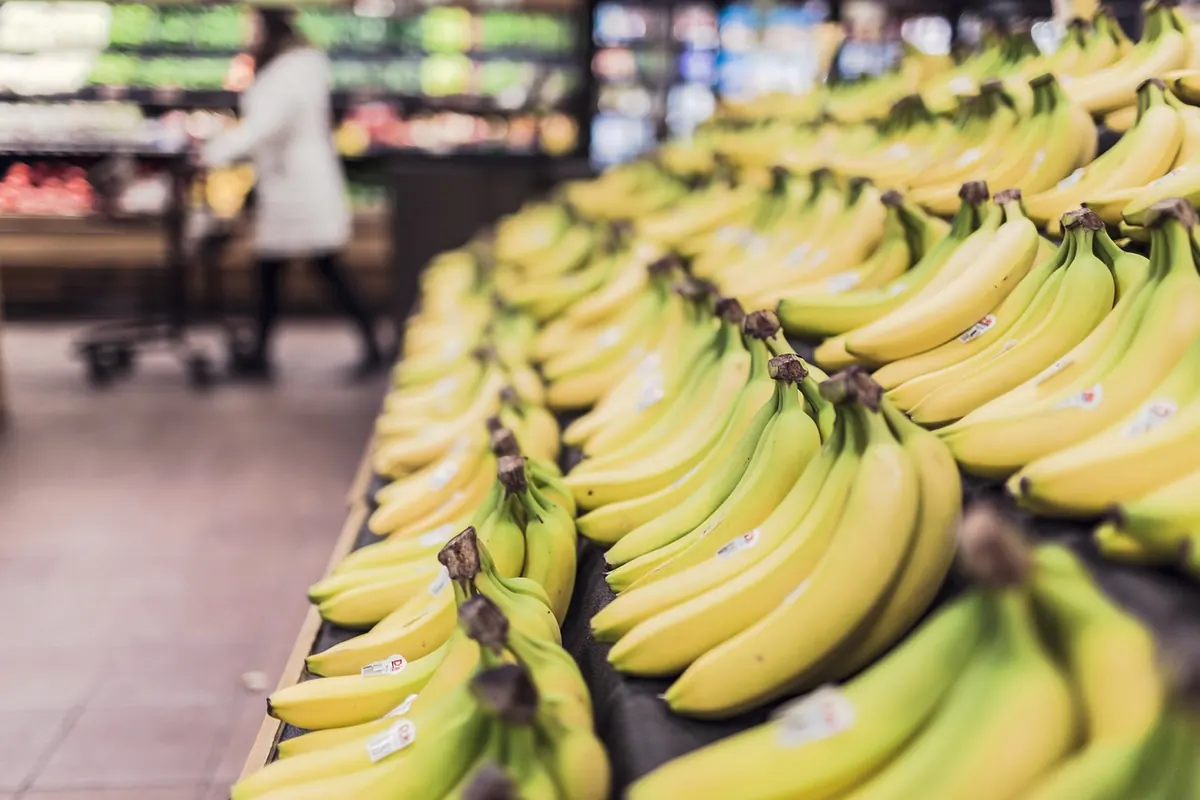
- Bananas: keep in the fruit bowl until yellow. Once ripe, the fridge slows further ripening; the skin will darken, but the flesh stays good for longer.
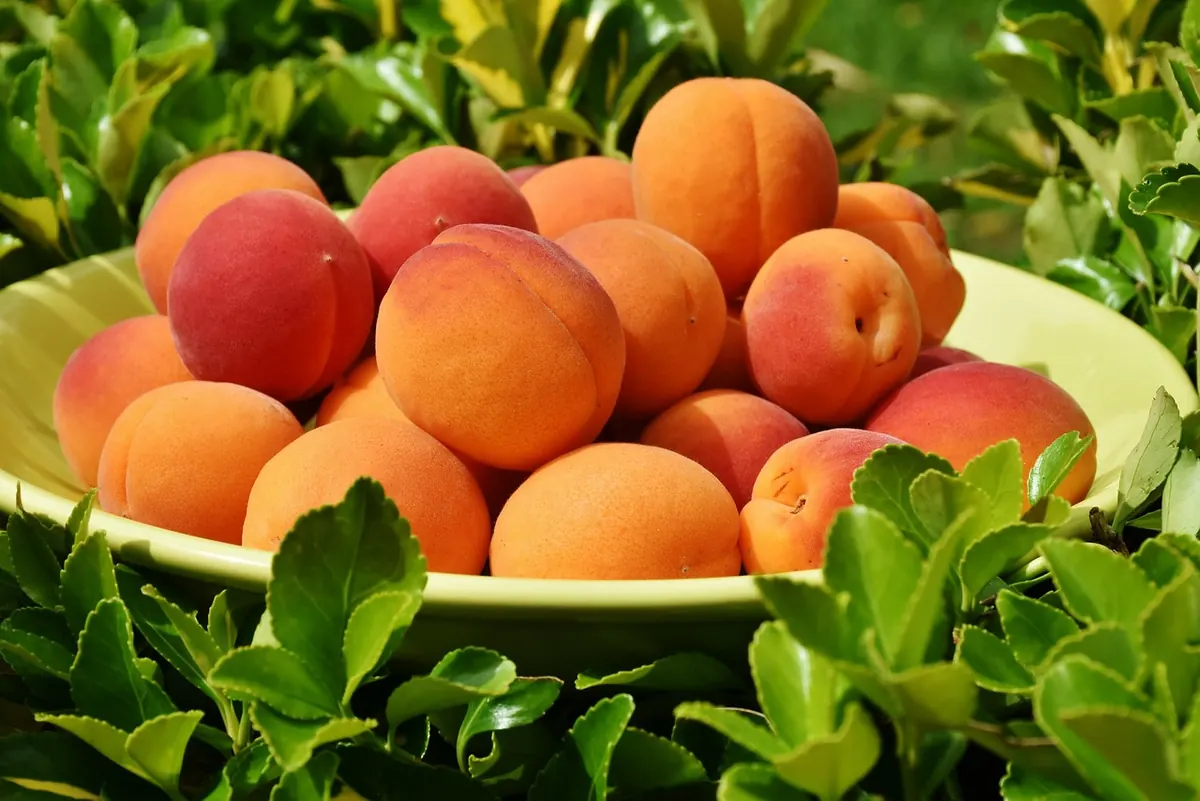
- Pears, peaches, nectarines and plums: ripen in a bowl or paper bag. Transfer to the fridge when they smell fragrant and give slightly at the stem end.
- Mangoes and kiwis: use a paper bag if hard, a bowl if nearly ready, and the fridge once ripe.
- Tomatoes: keep out of the fridge if you can. A paper bag helps hard tomatoes ripen; cold dulls their flavour and makes the texture grainy.
- Berries, cherries and grapes: fridge straight away. Do not wash them until you are about to eat them, as surface moisture speeds mould.
- Citrus and pineapples: fridge for a longer life. They do not ripen further after picking.
- Apples: fridge. They release ethylene, so keep them away from ethylene-sensitive produce like berries, leafy greens and cucumbers. If you want to speed up ripening of other fruit, put an apple in the paper bag.
The ethylene factor: why some fruits speed up others
Ethylene is a gas, and it is the reason a single ripe banana can transform a bowl of hard avocados. Fruits can be divided into two rough groups: climacteric and non-climacteric. Climacteric fruits continue to ripen after picking and respond strongly to ethylene. This group includes bananas, apples, pears, peaches, plums, mangoes, avocados, kiwis and tomatoes. Non-climacteric fruits do not ripen further once harvested and do not produce much ethylene themselves. Berries, cherries, grapes, citrus and pineapples fall here. That is why a strawberry will never improve on the counter, but a peach might. It also explains why you should store climacteric and non-climacteric fruits separately unless you want the sensitive ones to age faster. A paper bag works precisely because it concentrates ethylene around the fruit that needs it.
How to tell when fruit is ready
Ripeness is not just about colour. Use your senses to avoid missing the window.
- Gentle pressure: Press near the stem or the blossom end. A ripe avocado, peach or pear gives slightly, like a ripe tomato. If it feels mushy, it is overripe.
- Aroma: A ripe peach, melon or mango smells sweet and floral at the stem end. If there is no smell, it is probably still hard inside.
- Sound: A ripe melon sounds hollow when tapped. A hard one sounds dull.
- Colour: Use colour as a backup, not the main test. Some pears stay green even when ripe, and some mangoes turn red before they are soft.
- Stem end: For stone fruit, the flesh around the stem should yield slightly. If it is rock hard, give it another day in the bowl or bag.
Common mistakes to avoid
- Chilling unripe fruit: Cold can permanently stop ripening in stone fruit and tomatoes, leaving them mealy and flavourless even after they warm up.
- Using plastic bags: Plastic traps moisture along with ethylene, which invites mould. Paper is the better choice for ripening.
- Washing berries early: Moisture on the surface speeds decay. Wash just before eating.
- Crowding the bowl: A tight pile blocks air circulation and traps ethylene, so everything ripens — and rots — at once.
- Forgetting the bag: A paper bag works fast. Check daily, or you may find a soggy avocado instead of a perfect one.
- Storing onions and potatoes with fruit: These vegetables are sensitive to ethylene and can sprout or spoil faster. Keep them separate.
A quick decision guide
- Is the fruit already ripe? If yes, refrigerate it unless it is a tomato or banana you plan to eat soon.
- Will the fruit improve after picking? If it is a climacteric fruit like a pear, avocado or peach, it can ripen further.
- Is it hard and you need it soon? Use a paper bag, add a ripe banana or apple, and check daily.
- Is it nearly ripe and you will eat it in a day or two? Leave it in the fruit bowl.
- Is it a berry, cherry, grape or citrus? Refrigerate immediately and do not expect further ripening.
The golden rule: Ripen on the counter or in a paper bag, then move to the fridge to hold. The fridge is for keeping ripe fruit at its peak, not for making hard fruit soft.
Once you start matching each fruit to the right environment, you waste less and eat better. A paper bag, a bowl and a fridge shelf are simple tools, but used with a little knowledge they can mean the difference between a disappointing avocado and a perfect one.
Photo: RitaE / Pixabay